





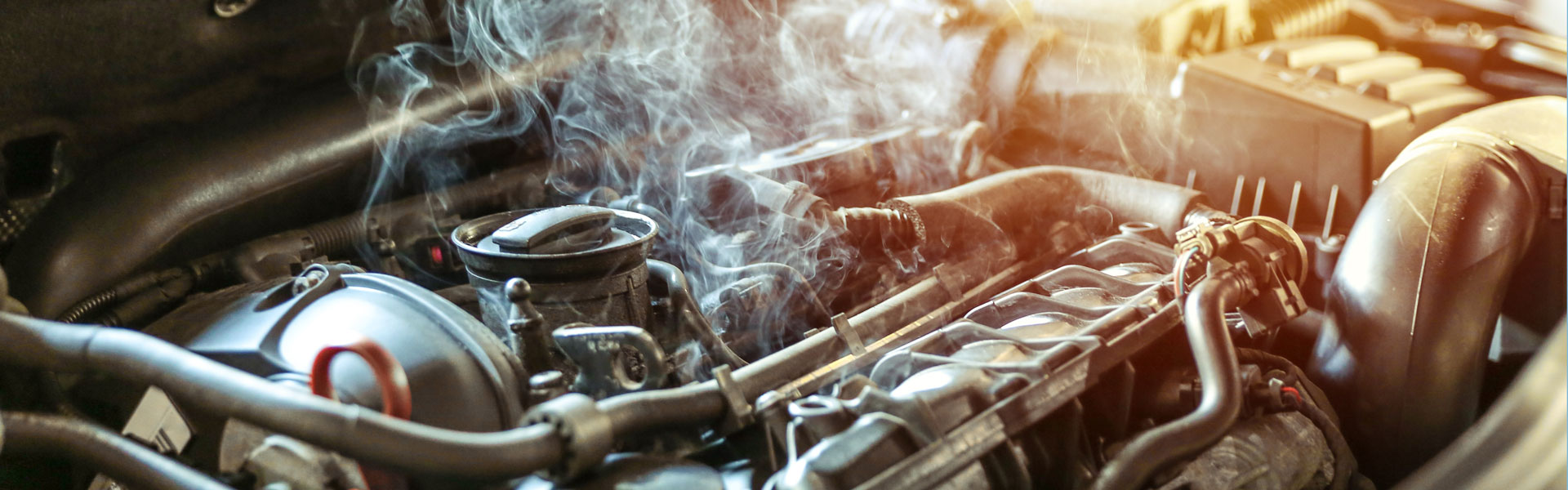
Engine overheating is one of those problems that rarely gives you much warning—and when it does, you need to act fast. Understanding the signs of engine overheating can be the difference between a simple repair and a costly engine replacement. Whether you drive a Silverado, Equinox, or any other Chevy model, knowing what to look for on your drives around Salinas, California, keeps you safer on the road and helps protect your investment.
Why Engines Overheat
Your Chevy’s cooling system works constantly to keep engine temperatures in a safe range. When something goes wrong in that system—whether it’s a failing thermostat, a cracked hose, or low coolant—heat builds up faster than it can be released. The result is an overheating engine that can cause serious damage if ignored. Signs your engine is overheating don’t always appear all at once, so it pays to stay alert to changes in how your vehicle behaves.
Warning Signs You Should Never Ignore
One of the earliest signs of engine overheating is a temperature gauge that climbs toward the red zone. Most drivers glance at it and move on, but a rising gauge is your vehicle’s way of asking for attention. Steam rising from under the hood is another clear indicator that coolant is boiling off and escaping the system.
Low coolant is a common root cause of overheating. If you notice the coolant reservoir looking empty or you’re adding fluid more frequently than usual, there may be a leak somewhere in the system. A sweet, slightly syrupy smell near the engine bay is often a sign that coolant is leaking and burning off. Specialists in Chevy cooling system repair in Salinas can help trace the source of that leak before it leads to bigger problems.
Additional Symptoms to Watch For
A thumping or knocking noise from the engine can indicate that heat has already caused some internal stress. This sound is caused by warped components struggling against each other under extreme temperatures. You might also notice the heater blowing cold air even when you’ve set it to warm—a sign that coolant isn’t circulating properly through the system.
Pay attention if the engine warning light comes on alongside any of the symptoms above. Modern Chevy vehicles use sensors to monitor temperature and alert you through the instrument cluster. Never ignore that combination of warnings. Getting a professional diagnosis early prevents minor issues from escalating into major repairs.
What to Do If Your Engine Starts Overheating
If you notice signs of engine overheating while driving, pull over safely as soon as possible. Turn off the air conditioning and, if traffic allows, turn on the heat to help draw warmth away from the engine. Never open the radiator cap while the engine is hot—pressurized steam and coolant can cause serious burns.
Allow the engine to cool completely before checking fluid levels. If the coolant reservoir is empty, do not add cold water to a hot engine. Once cooled, you can add coolant and assess whether it’s safe to drive a short distance to a service center. In Salinas, California, drivers experiencing these symptoms should have their vehicle inspected as soon as possible to avoid permanent engine damage.
Visit MY Chevrolet for Cooling System Service
Recognizing the signs of engine overheating early gives you the best chance of protecting your Chevy and avoiding expensive repairs down the road. From a rising temperature gauge and low coolant to steam under the hood and unusual smells, these warning signs are your vehicle’s way of communicating that something needs attention. If you’re in Salinas, CA and suspect a cooling system issue, the team at MY Chevrolet is ready to help. Visit us at mychevrolet.org to schedule your service appointment today.
Connect with us


- Chevy Colorado lineup
- Chevy Colorado Off-Road Specs
- Chevy cooling system repair in Salinas
- Chevy drivers in Salinas, California
- Chevy Equinox service
- Chevy Equinox Service Indicators
- Chevy Tire Service in Salinas, CA
- Chevy's cooling system
- Coolant reservoir
- MY Chevrolet Service
- Tire Rotations
- Uncategorized