





Blog / Chevy cooling system repair in Salinas

Signs of an Overheating Engine That Every Chevy Driver Should Know

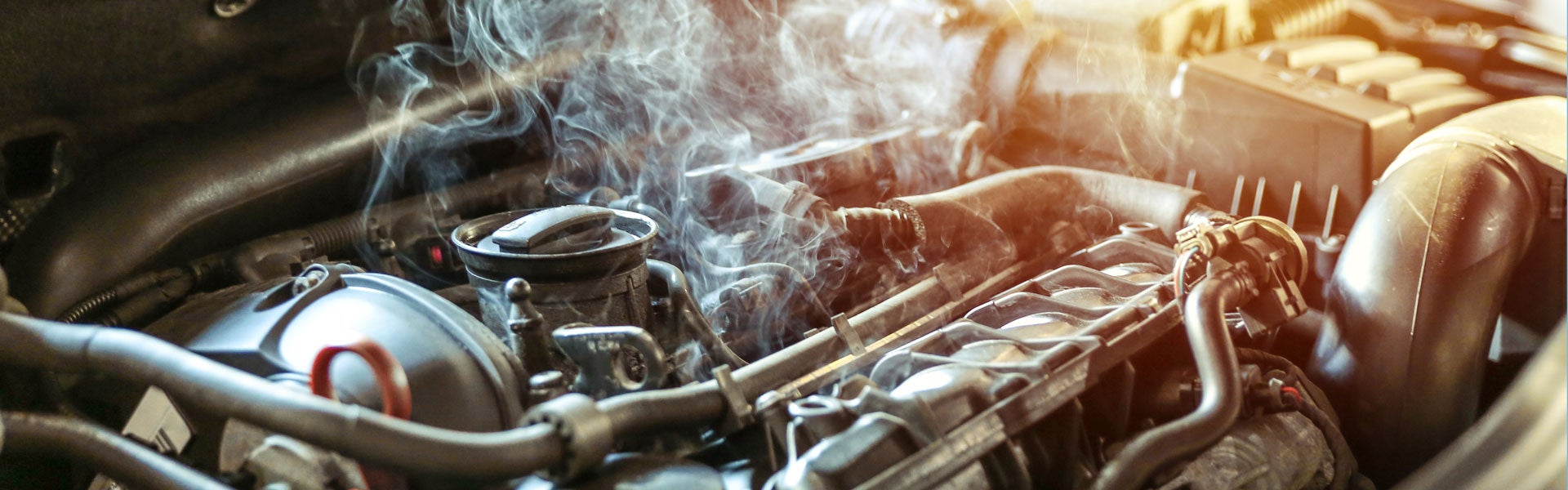
Smoke or steam rising from an overheated car engine bay.

Engine overheating is one of those problems that rarely gives you much warning—and when it does, you need to act fast. Understanding the signs of engine overheating can be the difference between a simple repair and a costly engine replacement. Whether you drive a Silverado, Equinox, or any other Chevy model, knowing what to look for on your drives around Salinas, California, keeps you safer on the road and helps protect your investment. 

Why Engines Overheat 

Your Chevy's cooling system works constantly to keep engine temperatures in a safe range. When something goes wrong in that system—whether it's a failing thermostat, a cracked hose, or low coolant—heat builds up faster than it can be released. The result is an overheating engine that can cause serious damage if ignored. Signs your engine is overheating don't always appear all at once, so it pays to stay alert to changes in how your vehicle behaves. 

Warning Signs You Should Never Ignore 

One of the earliest signs of engine overheating is a temperature gauge that climbs toward the red zone. Most drivers glance at it and move on, but a rising gauge is your vehicle's way of asking for attention. Steam rising from under the hood is another clear indicator that coolant is boiling off and escaping the system. 

Low coolant is a common root cause of overheating. If you notice the coolant reservoir looking empty or you're adding fluid more frequently than usual, there may be a leak somewhere in the system. A sweet, slightly syrupy smell near the engine bay is often a sign that coolant is leaking and burning off. Specialists in Chevy cooling system repair in Salinas can help trace the source of that leak before it leads to bigger problems. 

Additional Symptoms to Watch For 

A thumping or knocking noise from the engine can indicate that heat has already caused some internal stress. This sound is caused by warped components struggling against each other under extreme temperatures. You might also notice the heater blowing cold air even when you've set it to warm—a sign that coolant isn't circulating properly through the system. 

Pay attention if the engine warning light comes on alongside any of the symptoms above. Modern Chevy vehicles use sensors to monitor temperature and alert you through the instrument cluster. Never ignore that combination of warnings. Getting a professional diagnosis early prevents minor issues from escalating into major repairs. 

What to Do If Your Engine Starts Overheating

If you notice signs of engine overheating while driving, pull over safely as soon as possible. Turn off the air conditioning and, if traffic allows, turn on the heat to help draw warmth away from the engine. Never open the radiator cap while the engine is hot—pressurized steam and coolant can cause serious burns. 

Allow the engine to cool completely before checking fluid levels. If the coolant reservoir is empty, do not add cold water to a hot engine. Once cooled, you can add coolant and assess whether it's safe to drive a short distance to a service center. In Salinas, California, drivers experiencing these symptoms should have their vehicle inspected as soon as possible to avoid permanent engine damage. 

Visit MY Chevrolet for Cooling System Service 

Recognizing the signs of engine overheating early gives you the best chance of protecting your Chevy and avoiding expensive repairs down the road. From a rising temperature gauge and low coolant to steam under the hood and unusual smells, these warning signs are your vehicle's way of communicating that something needs attention. If you're in Salinas, CA and suspect a cooling system issue, the team at MY Chevrolet is ready to help. Visit us at mychevrolet.org to schedule your service appointment today.

Posted in:

Related Posts

Center console of a vehicle showing a rotary drive mode selector knob

What Your Chevy Equinox Service Indicators Are Telling You

Glancing at your Chevrolet Equinox dashboard and seeing an unfamiliar warning light can cause concern. Understanding your Chevy Equinox service indicators helps you stay ahead of routine maintenance and avoid unexpected repairs. As a new Chevy owner or a longtime driver, reaching out to Salinas Chevy Dealership in Salinas, CA, for guidance will keep your vehicle running reliably. This guide walks you through the most common dashboard lights and the appropriate actions to take. more Oil Life Monitor and Oil Change Alerts The oil life monitor alert is one of the most routine Chevy Equinox service indicators. The "Change Engine Oil Soon" display means your oil requires replacement. The Equinox uses an intelligent system to calculate necessary oil changes based on your driving habits, mileage, and conditions, avoiding reliance on a strict mileage interval. You can reset this alert through the vehicle settings menu after an oil change. Ignoring this indicator increases engine wear over time. Tire Pressure Warning Light The tire pressure monitoring system, or TPMS, triggers a dashboard light when a tire falls below the recommended inflation level. Drivers frequently see this Chevy Equinox service indicator during seasonal temperature changes. Low tire pressure negatively affects handling, fuel efficiency, and tire longevity. When this light appears, check the inflation of each tire and add air accordingly. If the light remains on, have a technician inspect the system for a slow leak or a faulty sensor. Check Engine Light The check engine light remains a widely misunderstood service indicator. On the Chevy Equinox, it signals varied issues, ranging from a loose gas cap to a serious emissions system problem. A solid amber light typically indicates a non-urgent issue requiring a check soon. Conversely, a flashing check engine light signifies an immediate concern demanding prompt service. Diagnosing the vehicle with a scan tool easily identifies the root cause. Knowing the proper service intervals for your Chevy SUV reduces the likelihood of this light appearing. Brake System and Battery Indicators Drivers must never ignore the brake and battery warning lights. The brake system indicator signals low brake fluid, worn brake pads, or an anti-lock brake system fault. If this light illuminates while driving, safely reduce your speed and seek an immediate vehicle inspection. The battery warning light highlights a charging system problem, often involving the alternator, battery, or related wiring. Addressing these Chevy Equinox service indicators quickly prevents unexpected breakdowns. How Often Should You Service Your Chevy Equinox? Understanding your Chevy SUV service intervals is vital for vehicle health. You should schedule oil changes and tire rotations every 5,000 to 7,500 miles, depending on your driving conditions and the oil life monitor. Technicians need to perform brake inspections, cabin air filter replacements, and multi-point vehicle inspections at least annually. Adhering to a consistent service schedule optimizes Equinox performance and extends its lifespan. Visit Us in Salinas for Equinox Service Monitoring your Chevy Equinox service indicators remains a stress-free process. Familiarizing yourself with dashboard warnings and maintaining a regular service schedule protects your investment and ensures confident driving. Drivers throughout the area can visit Salinas Chevy Dealership in Salinas, CA, to have trained technicians inspect, diagnose, and service their Equinox. Prevent small issues from escalating by contacting our service center to schedule your next appointment today.

Bright blue Chevrolet Colorado ZR2 pickup truck towing a speedboat at a boat launch ramp.

Chevy Colorado Off-Road Specs: What Makes This Truck Built for the Trail

A Midsize Truck That Means Business Off the Pavement Are you ready to elevate your weekend adventures? The Chevy Colorado blends daily driving comfort with extreme rugged capability. If you want a truck that conquers tough terrain without sacrificing everyday usability, the Colorado delivers. Reach out to the team at Salinas Chevrolet in Salinas, CA, to learn more about how this midsize pickup can transform your commute. more Suspension Built for the Trail The suspension setup highlights the Chevy Colorado off-road specs. The ZR2 trim features a specialized suspension with Multimatic DSSV dampers. This dual-speed sensitive valving technology adjusts in real time to changing terrain, absorbing rocks and uneven ground effectively. The ZR2 rides higher with 10.7" of ground clearance, giving you room to clear obstacles. Combined with front and rear locking differentials, drivers gain serious traction control. Performance You Can Feel on Any Terrain The robust 2.7L engine delivers consistent power to all four wheels. The ZR2 features a standard rear locking differential and a front locking differential to keep power flowing to the wheels that need it most. The truck includes underbody protection with steel bumpers and rock sliders that shield critical components. When navigating boulders or river crossings, the Colorado takes the hit and keeps moving. Inside the cabin, you can easily connect your smartphone using Apple CarPlay© or Android Auto© to map out your next route. Trim Options That Match Your Adventure Level The Chevy Colorado lineup offers off-road specs that scale to fit different needs. The Trail Boss trim features a 2" factory suspension lift and all-terrain tires, providing solid trail capability. The Z71 pairs off-road suspension tuning with skid plates and an automatic locking rear differential. Each trim offers flexibility when shopping for the best midsize truck. Schedule Your Colorado Test Drive Today The Chevy Colorado tells the story of a truck designed with trail performance at its core. From specialized suspension to underbody protection, every detail supports confident driving. Drivers visiting Salinas Chevrolet in Salinas, CA, have a well-rounded midsize truck option that balances capability and comfort. Stop by our lot to take one for a test drive and experience true trail readiness.

Close-up macro view of the treads on a row of new tires.

The Real Benefits of Tire Rotations for Your Chevrolet

Tire rotations might seem like a minor maintenance task, but it isn’t one you can afford to ignore. Before there’s a blowout, a flat, or some other annoying and potentially dangerous issue, it pays to spend the time and energy to get your tires rotated. For the Chevy drivers in Salinas, California, whether that’s a truck, SUV, or car, understanding the benefits of tire rotations can save you money and help you get the most out of every mile. more Why Tire Rotation Matters for Your Chevy One of the most straightforward benefits of tire rotations is how much they extend the life of your tires. Front and rear tires wear at different rates depending on your vehicle's drivetrain, weight distribution, and how you drive. On front-wheel-drive Chevys, the front tires tend to wear down faster because they handle both steering and power delivery. By rotating your tires regularly, you spread that wear more evenly across all four tires. This means you won't need to replace them as frequently, which adds up to real savings over time. Most manufacturers, including Chevrolet, recommend rotating tires every 5,000 to 7,500 miles as a general guideline. Extended Tread Life Means More Value When tires wear unevenly, the tread depth on one set of tires may drop well below the others. This forces you to replace tires sooner than necessary and often in pairs or full sets rather than simply maintaining what you have. Regular rotations help preserve tread depth more evenly across all four tires. That balanced wear translates directly into a longer overall tire lifespan. For Chevy owners who rely on their vehicles for daily commutes, hauling, or weekend adventures, protecting that investment—and the precious cargo inside—is critical. Better Traction and Handling on the Road Even tread wear doesn't just extend tire life—it also improves how your vehicle handles. Tires with consistent tread depth across all four corners grip the road more predictably, whether you're accelerating, braking, or cornering. You’ll want that when you’re just enjoying a long drive, during wet or slippery conditions, or when towing. Uneven wear can cause subtle handling issues that are easy to miss until they become a safety concern. Keeping your tires rotated helps maintain the balanced traction your Chevy was designed to deliver. It’s convenient and easy to get Chevy Tire Service in Salinas, CA, letting you stay on top of this essential maintenance step. Catching Other Issues Early Another benefit of tire rotations is that they give a technician the chance to inspect your tires up close. During a rotation, they can spot signs of uneven wear that might indicate alignment or suspension issues, check tire pressure, and look for any damage you might not notice from the driver's seat. Addressing small problems early helps you avoid larger, more expensive repairs down the road. Scheduling regular Chevy Tire Service means keeping your vehicle in top shape between major service intervals. Keep Your Chevy Performing at Its Best The benefits of tire rotations go well beyond just rubber and tread. They contribute to a smoother ride, better fuel efficiency, improved safety, and a longer tire lifespan—all of which matter when you're driving a workhorse Silverado, family-first Equinox, compact Trax, or any other model in the Chevy lineup. If it's been a while since your last rotation, now is a great time to schedule an appointment. Keeping up with this simple service is one of the easiest ways to protect your Chevy and your investment for the long haul. At MY Chevrolet in Salinas, CA, we’re happy to handle it for you.