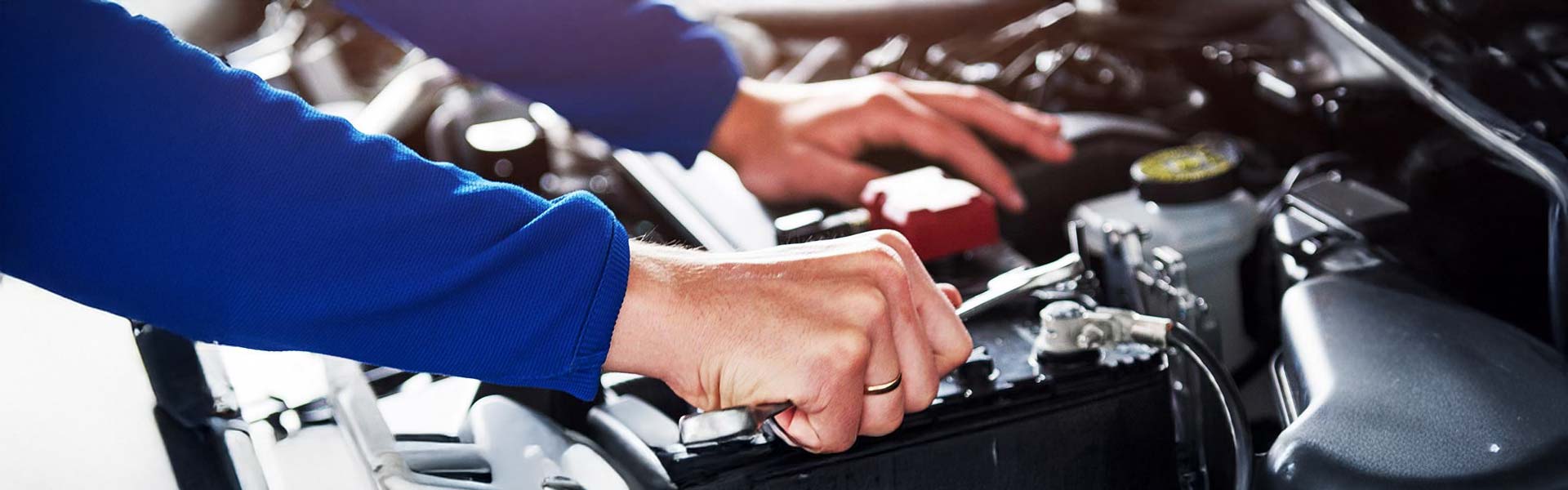




It’s not how anyone in Salinas, California wants to spend their free time, but it’s got to get done. Keeping your Chevrolet running at its best means staying on top of routine maintenance instead of letting easily handled issues become something bigger. Whether you drive a Silverado, Equinox, or Trax, understanding when to replace key components can save you money and prevent unexpected breakdowns. This Chevrolet service guide walks you through the essentials — brakes, tires, battery, and fluids — so you always know what to watch for. When to Replace Your Brakes Brakes are the most critical safety system on your vehicle, and you should pay c lose attention to warning signs that they’re in need of help. Brake pads typically need replacement every 30,000 to 70,000 miles, depending on your driving habits and vehicle type. Listen for squealing or grinding noises when you apply the brakes. If your steering wheel vibrates during braking, or if your vehicle pulls to one side, those are signs your brakes need attention. Don't wait until you hear metal-on-metal contact — by that point, rotors may need replacement too, which is a costlier repair. When to Replace Your Tires Tires affect your safety, fuel efficiency, and overall ride quality. The general recommendation is to replace tires every 6 years or when the tread depth reaches 2/32 of an inch, whichever comes first. As part of your routine, check your tires monthly for uneven wear, cracks, or bulges in the sidewall. If you off-road, tow a lot, spend time in stop-and-go traffic, or have dealt with extreme heat, your tires might be feeling it. An easy way to test tread depth at home is the penny test — insert a penny into the tread with Lincoln's head facing down. If you can see the top of his head, it's time for new tires. Also, be sure to rotate your tires every 5,000 to 7,500 miles to promote even wear and extend their lifespan. When to Replace Your Battery A car battery typically lasts 3 to 5 years. If your Chevrolet is slow to start, the lights seem dim, or t he dreaded battery warning light shows up on your dashboard, have your battery tested. Cold weather can also reduce battery performance, so getting a test done before winter is a smart habit. We suggest having your battery inspected during every oil change — which means don’t miss your oil changes. Catching a failing battery early prevents the frustration of being stranded with a vehicle that won't start. When to Change Your Fluids Fluids are the lifeblood of your vehicle, and each one has its own replacement schedule. Here's a quick breakdown of the most important ones: Engine oil should typically be changed every 5,000 to 7,500 miles, though many newer Chevrolet models use full synthetic oil and can go longer between changes. If your vehicle has an Oil Life Monitoring System, that takes your driving habits into account, as well as driving conditions for a more accurate depiction of what your car needs. Your coolant should be flushed every 30,000 miles or so to prevent overheating. Brake fluid absorbs moisture over time and should generally be replaced every 2 years. Transmission fluid, power steering fluid, and windshield washer fluid should all be checked regularly and topped off or replaced as needed. Following this Chevrolet service guide for fluid maintenance keeps your engine running smoothly and helps prevent long-term damage to critical components. Visit Us in Salinas, CA for Expert Chevrolet Service Staying current with maintenance doesn't have to be complicated. By following this Chevrolet service guide, you can protect your investment and drive with confidence every day. Drivers throughout Salinas, CA, can count on the certified service team at MY Chevrolet to handle everything from brake inspections to fluid changes with care and expertise. Visit us to schedule your next service appointment today.