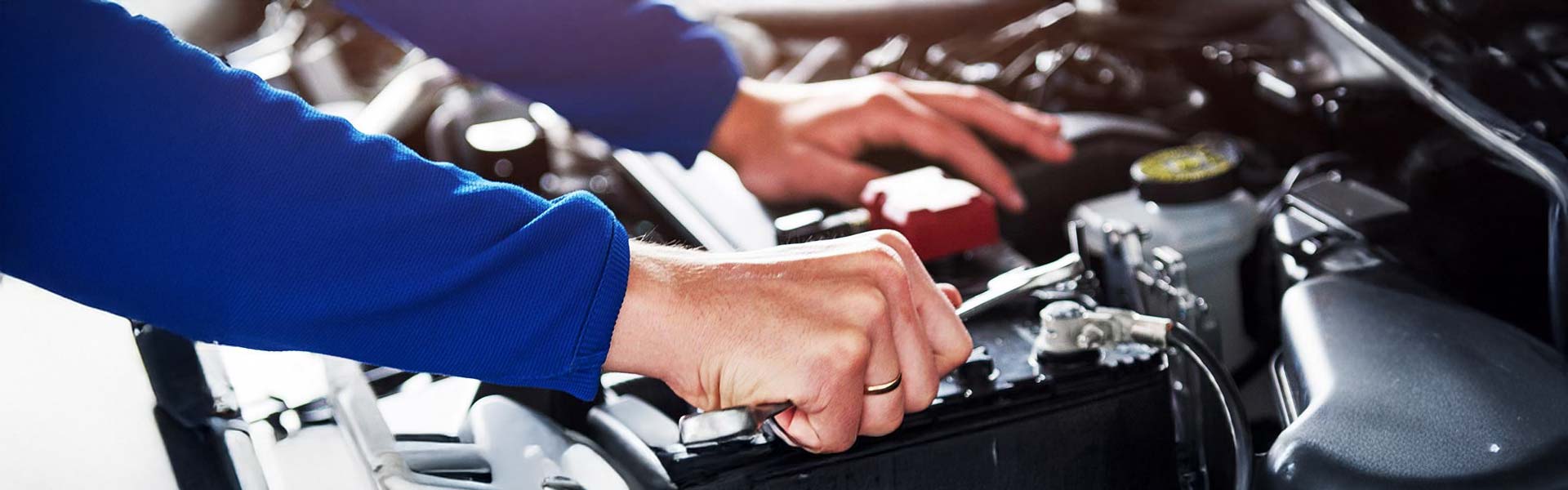
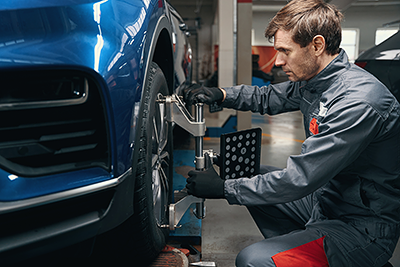
Essential Chevrolet Maintenance: What Salinas Drivers Should Know Your Chevrolet may be built for thousands of miles of commuting, errands, family trips, and California highway driving, but longevity still depends on what happens between those miles. At MY Chevrolet in Salinas, CA, we help Chevrolet owners stay ahead of routine maintenance with professional service designed around their vehicle and its specific needs. Oil changes tend to receive most of the attention. They matter, certainly. Yet proper vehicle maintenance encompasses considerably more: tires, brakes, batteries, fluids, filters, and other components all influence how a Chevrolet performs as mileage accumulates. Whether you drive a Silverado, Equinox, Traverse, Tahoe, Trailblazer, Colorado, or another Chevrolet model, understanding a few fundamental maintenance areas can help you recognize when it is time to visit a Chevrolet service center in Salinas, CA. Oil Changes: Start With the Lifeblood of Your Engine Engine oil has an arduous job. It lubricates internal engine components, helps reduce friction, assists with temperature management, and collects contaminants as it circulates. Over time, however, the oil and filter require replacement. Rather than relying exclusively on an arbitrary mileage number, many modern Chevrolet vehicles use the Engine Oil Life System to help determine when an oil change is necessary based on vehicle operating conditions. When the CHANGE ENGINE OIL SOON message appears, Chevrolet recommends having the oil and filter changed within the next 600 miles. Driving habits matter, too. Frequent short trips, extensive idling, towing, and other demanding operating conditions can affect maintenance needs. Checking your Chevrolet Owner's Manual remains important because requirements can vary by model, engine, and application. At MY Chevrolet, our service team can perform oil and filter changes while helping you stay informed about other maintenance your vehicle may require. Don't Overlook Your Chevrolet's Brakes Few vehicle systems deserve more attention than the brakes. Brake components endure repeated friction every time you slow your vehicle, and gradual wear can make changes difficult to notice immediately. Drivers should therefore remain attentive to unusual braking behavior. Squealing or grinding noises deserve attention. So does a change in pedal feel, unusual vibration while braking, or a vehicle that seems to require more distance to stop than it previously did. The solution is not to guess which component has worn. A professional brake inspection can help determine the condition of the pads, rotors, and related components before deciding what service is appropriate. For Salinas drivers dealing with a mixture of local streets, stop-and-go traffic, and longer highway trips, keeping the braking system properly maintained should remain a priority throughout vehicle ownership. Tires Affect More Than the Way Your Chevrolet Looks Four relatively small patches of rubber connect your Chevrolet to the pavement. Their condition has consequences. Proper tire maintenance can influence handling, braking performance, ride quality, and tire longevity. That makes tire pressure, tread condition, alignment, and rotation worthy of regular attention. Chevrolet recommends checking tire pressure when the tires are cold and using the recommended pressure shown on the vehicle's Tire and Loading Information label rather than relying on the maximum pressure printed on the tire itself. Tread wear also deserves scrutiny. Uneven wear can sometimes indicate that rotation, balancing, alignment, suspension inspection, or another service may be appropriate. At MY Chevrolet in Salinas, our service department can inspect your tires and help determine whether maintenance or replacement should be considered. Your Battery Doesn't Always Give Much Warning A vehicle battery can seem perfectly adequate—until one morning it isn't. Slow engine cranking, intermittent electrical behavior, difficulty starting, or visible corrosion around the battery terminals can indicate that the battery or charging system deserves attention. Age can matter as well, particularly when a battery has endured years of repeated starting and temperature changes. A battery test can provide useful information about its current condition rather than leaving you to discover a weakening battery when the vehicle refuses to start. Battery health becomes particularly important in modern Chevrolet vehicles because electrical systems support considerably more than ignition. Infotainment, driver-assistance equipment, lighting, climate functions, cameras, sensors, and numerous control modules depend upon a properly functioning electrical system. Fluids and Filters Quietly Do Important Work Not every critical maintenance component announces itself from the driver's seat. Your Chevrolet contains multiple fluids and filters designed to protect components or support important vehicle systems. Depending on the model and powertrain, maintenance considerations can include engine coolant, brake fluid, transmission fluid, engine air filters, and cabin air filters. The engine air filter helps prevent contaminants from entering the engine's air intake. The cabin air filter serves an entirely different purpose, helping filter air entering the passenger compartment through the climate-control system. Fluid requirements and service intervals vary considerably among Chevrolet vehicles, which is why maintenance should follow the schedule and specifications appropriate to the individual model rather than a universal checklist. Silverado and Colorado Owners Should Consider How They Use Their Trucks A Chevrolet truck that spends its life commuting has a different routine from one that regularly tows. Owners of the Chevrolet Silverado 1500, Silverado HD, and Colorado should consider workload when thinking about maintenance. Towing, hauling, off-road driving, extended idling, and commercial use can place different demands on a truck than comparatively gentle highway transportation. That makes maintenance history particularly important for hardworking pickups. Owners should monitor oil life, tire condition, brakes, fluids, and other scheduled maintenance while consulting the Owner's Manual for requirements associated with their specific truck and operating conditions. The more demanding the work, the less sensible it becomes to ignore maintenance until something feels wrong. Watch Your Dashboard—Your Chevrolet Is Trying to Tell You Something Modern vehicles are remarkably communicative. Oil-life messages, the Tire Pressure Monitoring System, warning lamps, and other dashboard notifications can alert drivers to conditions requiring attention. A warning light does not always tell you exactly which repair is necessary, but it does provide a reason to investigate. The Check Engine Light is an obvious example. Numerous conditions can illuminate it, ranging from relatively straightforward issues to faults requiring more immediate diagnosis. Rather than replacing parts based on conjecture, proper diagnostics can identify trouble codes and give a technician a starting point for determining the underlying problem. If a warning appears unexpectedly, consult your Chevrolet Owner's Manual for guidance and arrange service when appropriate. Why Choose MY Chevrolet for Chevrolet Service in Salinas, CA? Vehicle maintenance is easier to manage when you have a service center familiar with the vehicle sitting in your driveway. At MY Chevrolet, our service department supports Chevrolet owners throughout Salinas and the surrounding area with routine maintenance and automotive repair services. Chevrolet-certified service gives owners access to technicians familiar with Chevrolet vehicles, along with GM Genuine Parts and ACDelco parts for applicable repairs and maintenance. Drivers can also schedule service online, making it easier to plan maintenance around work, family obligations, and daily life. Whether your Chevrolet needs an oil change, tire service, brake attention, battery service, scheduled maintenance, or diagnosis of an unexpected concern, addressing the issue promptly can help prevent a relatively manageable service need from becoming something more disruptive. Schedule Chevrolet Service at MY Chevrolet in Salinas, CA A dependable vehicle is rarely the product of neglect. Routine maintenance gives your Chevrolet the attention it needs as mileage accumulates, whether you drive a Silverado to the jobsite, an Equinox through your daily commute, a Traverse filled with family, or a Tahoe on longer California journeys. At MY Chevrolet in Salinas, CA, we are here to help you maintain your Chevrolet throughout its life on the road. Staying current with oil changes, tires, brakes, batteries, filters, fluids, and manufacturer-recommended maintenance can help preserve the performance and dependability you expect from your vehicle. When your dashboard says it is time—or when something simply does not feel quite right—schedule a service appointment with MY Chevrolet and let our Salinas service team take a closer look.